
Park Orthodontics
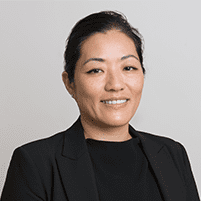
Katherine Park, DMD
Orthodontist located in Upper West Side, New York, NY
As a top orthodontist in New York City, Dr. Park provides thoughtful interceptive orthodontic care, guiding young patients’ jaw development during critical growth stages to prevent more complex issues in the future.
Children develop at different rates, and some orthodontic issues benefit from early intervention rather than waiting until all permanent teeth emerge. Interceptive orthodontics, also called early orthodontic treatment, addresses developing bite problems while your child’s jaw is still growing. By correcting these issues between ages 7 and 11, orthodontists can guide facial development and prevent more serious problems that would be harder to fix once growth is complete.
What Is Interceptive Orthodontics?
Interceptive treatment begins while children still have most of their primary teeth, typically between ages 7 and 11. The goal is to identify and correct potential bite problems before they fully develop, preventing more serious complications down the line. This approach focuses on guiding jaw growth rather than simply moving teeth.
During this developmental window, your child’s jawbones are still actively growing and respond well to gentle guidance. Orthodontists can help direct this growth to reduce misaligned bites and create space for permanent teeth to erupt properly. While many children who receive interceptive treatment may still need braces as teenagers, early intervention often reduces the extent and duration of later treatment.
Common Issues Addressed Through Early Treatment
Several orthodontic problems respond particularly well to interceptive care. Underbites, where lower front teeth sit ahead of upper front teeth, crossbites, severe crowding, and protruding front teeth at risk of injury are conditions orthodontists often recommend treating early. Other concerns include narrow upper jaws, premature loss of baby teeth, harmful habits like thumb sucking, and bite irregularities.
Treatment options vary based on each child’s specific needs. Space maintainers keep the gap open when a baby tooth is lost prematurely. Palatal expanders gradually widen a narrow upper jaw to accommodate incoming permanent teeth. Some children may benefit from partial appliances that guide specific teeth as they emerge.
Benefits of Early Orthodontic Intervention
Interceptive orthodontics can be beneficial for about 15 to 20 percent of children. For those who need it, early treatment offers several advantages. First, it may reduce or eliminate the need for tooth extractions later. Second, it can shorten the duration of comprehensive orthodontic treatment during the teenage years. Third, it improves facial symmetry by guiding proper jaw development.
Early treatment also lowers the risk of dental emergencies caused by protruding teeth. When front teeth stick out, they’re more vulnerable to injury during sports or falls. Repositioning them early provides better protection. Additionally, addressing bite problems while your child is young can improve their ability to speak clearly and chew food properly.
At Park Orthodontics, we believe in treating the whole person, not just their teeth. Early orthodontic care can boost a child’s confidence by addressing dental irregularities that might cause self-consciousness. When children feel better about their smiles, they’re more likely to express themselves freely and engage confidently in social situations.
The Interceptive Treatment Process
The American Association of Orthodontists recommends that children get their first orthodontic check-up when a problem is first recognized, but no later than age 7. By this age, your child has enough permanent teeth for an orthodontist to evaluate how their bite is developing. Dr. Park examines the relationship between the jaws, checks for crowding or spacing issues, and assesses overall facial development.
Not every child who comes in for an evaluation needs immediate treatment. Many times, Dr. Park may recommend monitoring your child’s growth through complimentary observation appointments. These check-ups allow her to track development and determine the optimal time to begin treatment if intervention becomes necessary.
When interceptive treatment is recommended, the duration varies depending on the issues being addressed. Some treatments last several months, while others may extend up to a year or more. Throughout the process, we maintain open communication with both parents and patients, ensuring everyone understands the treatment plan and expected outcomes.
After the initial phase of interceptive treatment concludes, many children enter a resting period where Dr. Park continues monitoring their development. Once all permanent teeth have erupted, typically in the early teenage years, a second phase of treatment with traditional braces or Invisalign may be needed to fine-tune tooth alignment and achieve the final smile. However, this second phase is often shorter and less complex because the major skeletal issues were already corrected during childhood.
Schedule Your Child’s Orthodontic Evaluation at Park Orthodontics
Early detection and intervention can make a significant difference in your child’s orthodontic journey. Dr. Park’s training in both orthodontics and dentofacial orthopedics allows her to address complex developmental issues with precision and care. She takes time to understand each patient’s unique needs and treatment objectives, ensuring every child receives personalized attention.
Park Orthodontics welcomes new patients and accepts most types of dental insurance. Whether your child needs interceptive treatment, children’s orthodontics, or a comprehensive orthodontic consultation, we’re here to help. If you’d like to learn more about interceptive orthodontics or schedule an evaluation for your child, please contact our office today.